

In recent years, nearshoring has emerged as a popular strategy for companies looking to optimize their supply chains. They are responding to growing unpredictability and disruptions caused by events such as the COVID-19 pandemic.
Starting nearly 60 years ago, off-shoring previously domestic manufacturing proved to be a go-to executive decision to boost corporate value by reducing labor costs and the cost of goods sold.
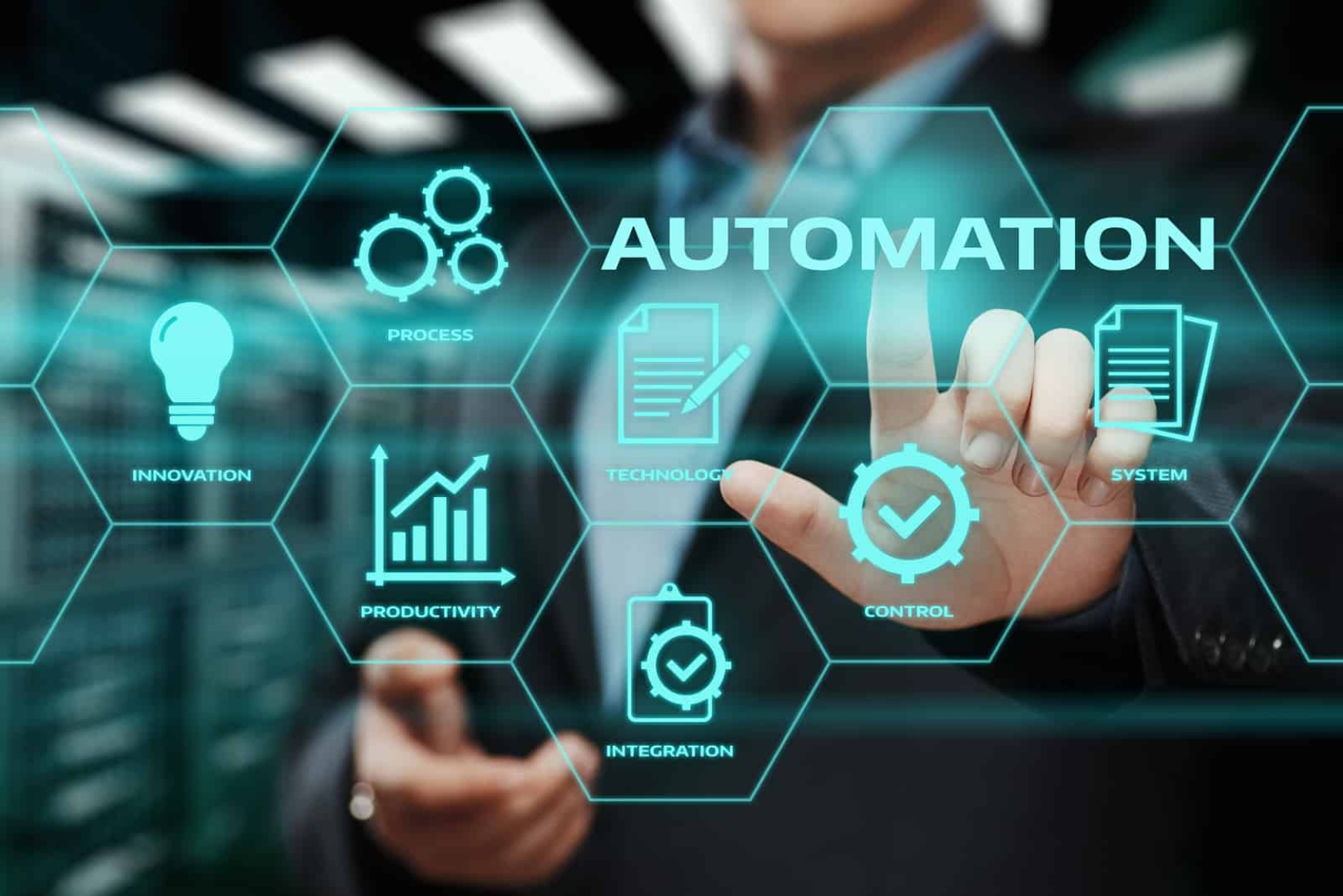
It’s a familiar narrative: Robots and other forms of automation, while good for driving business efficiencies, are a death knell for the modern workforce. Yet introducing robots to the workforce could serve as a positive force, delivering benefits to corporations as well as to the workforce and global economy.

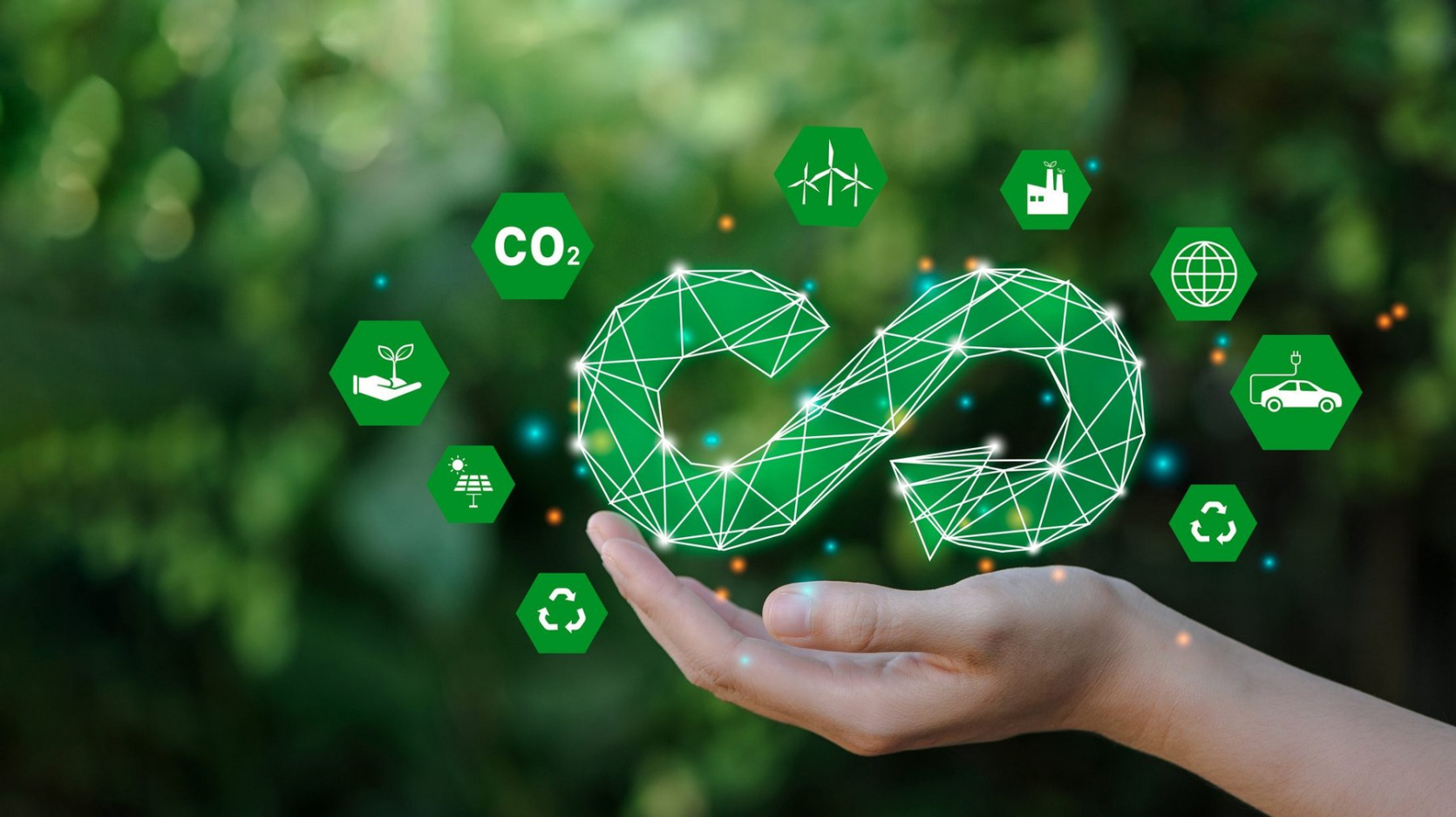
Global transportation activity is expected to double by 2050, leading to a 16% rise in emissions, even when accounting for current commitments to decarbonising operations.

Adding automated decision-support to manual processes helps speed inspection rates, improve end-to-end quality, and provides more qualitative product evaluation to ensure manufacturing are repeatable and traceable. New “app-based” systems combining machine vision and AI capabilities with cameras and edge processing make it easier and more cost effective for manufacturers to add decision-support for incoming, in-progress and finished goods.
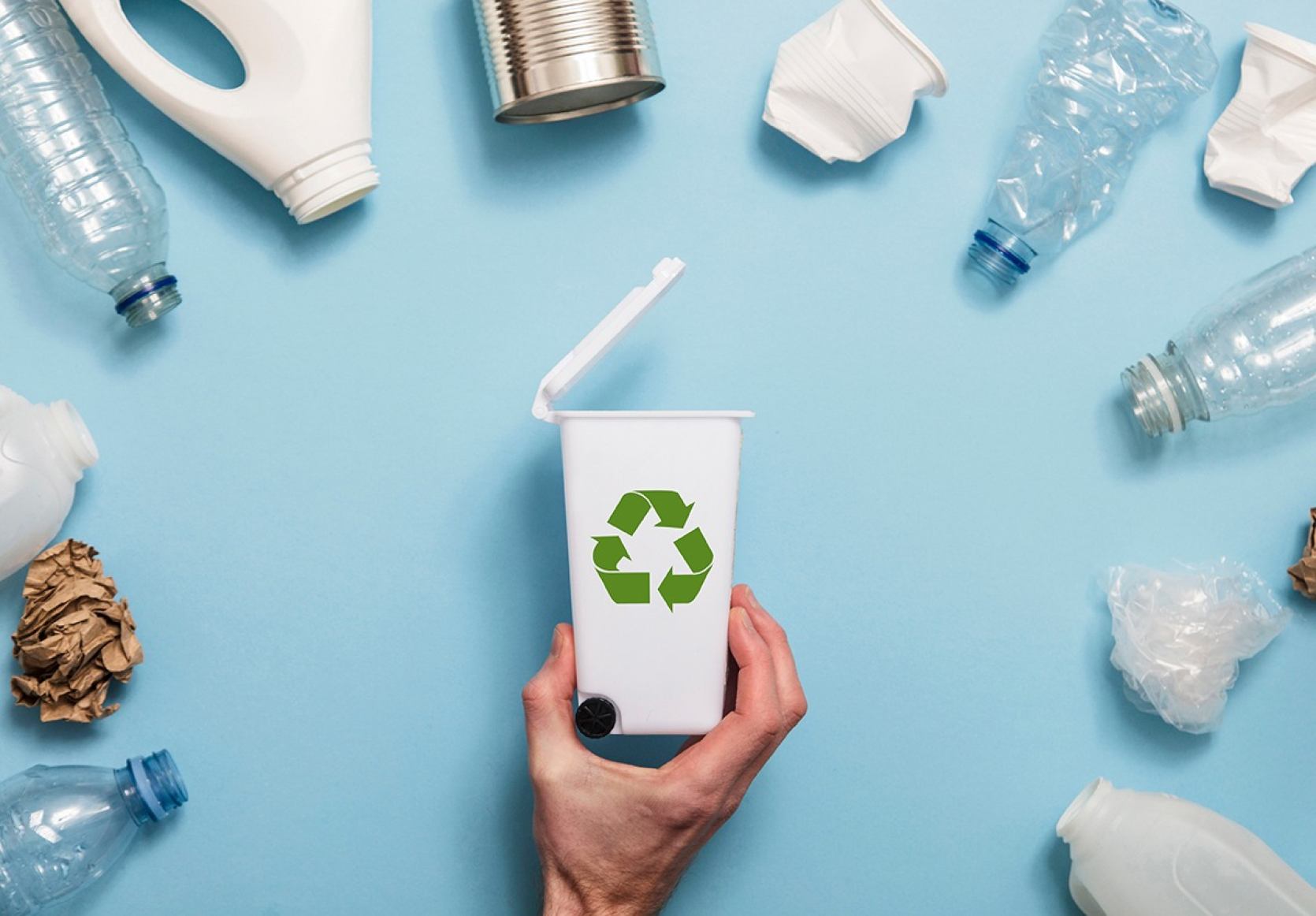
Regulations and pacts are changing the landscape for packaging innovation, from groups as large as the United Nations and down to the state and municipal level.

“Meeting the needs of the present without compromising the ability of future generations to meet their own needs” is how the United Nations Brundtland Commission defined the principle of sustainability back in 1987. This simple definition still holds true today, but defining a concept is much easier than putting it into practice.

For months, economic conditions have indicated a looming downturn, leaving organizations everywhere to consider how they can best prepare for uncertainty and weather the storm. Many business leaders are earnestly seeking ways to avoid drastic cost-cutting measures, while others have already begun taking these steps.
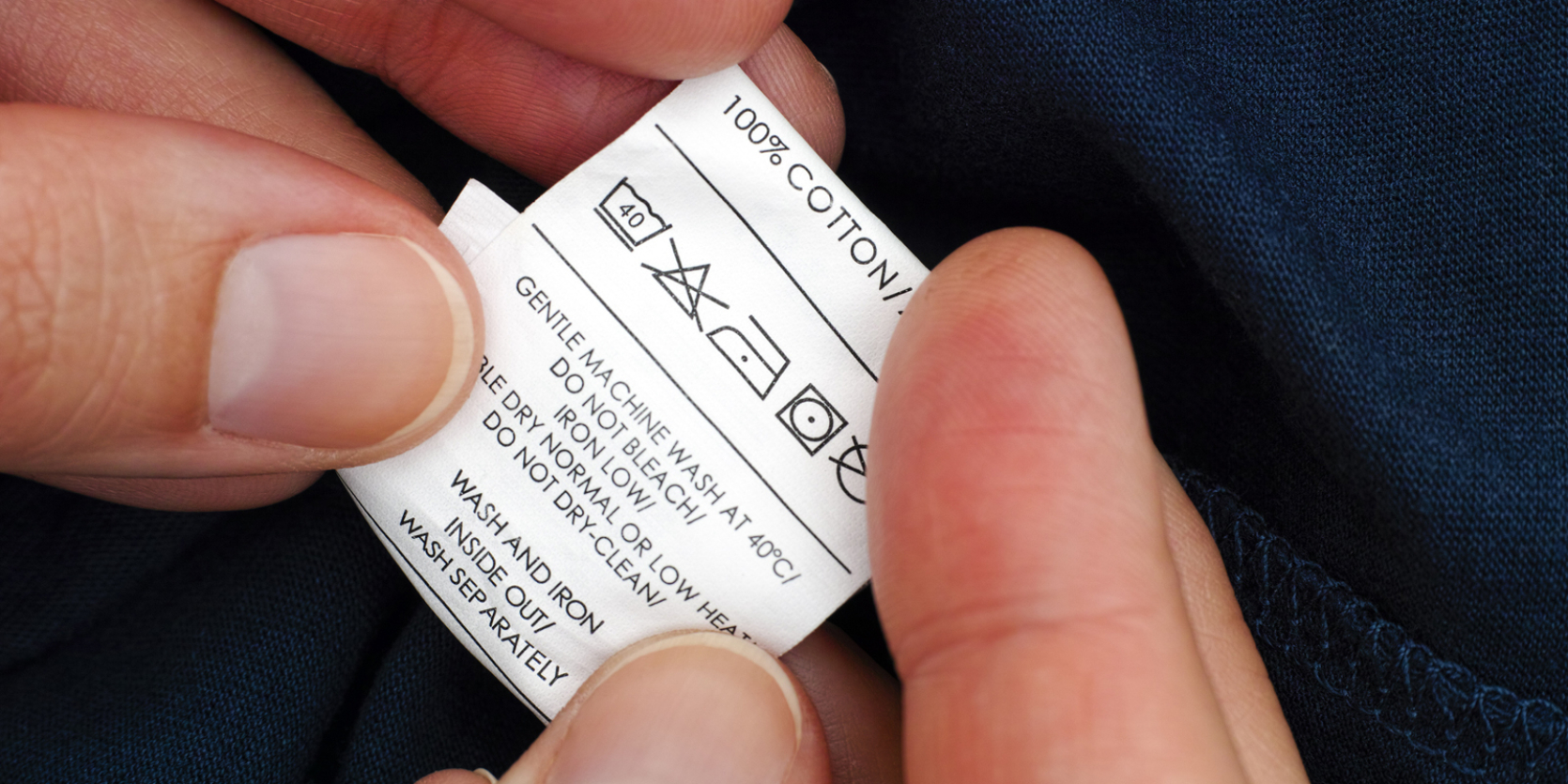
Drawing inspiration from butterfly wings, reflective fibers woven into clothing could reshape textile sorting and recycling.
Globalization and manufacturing practices since World War II have resulted in a significant chasm between resource-rich nations and everyone else. That's well understood. What's fascinating is that different nations' garbage is actually a redistribution of those resources—we distribute goods throughout the world and the wealth of a nation can be seen in the garbage.
INNOVATIVE PARTNERS TOP INSIGHT – NEWSLETTER SUBSCRIPTION
With our latest TOP INSIGHTS we want to let you take part in our work and give you an overview about
latest industry topics, trends and innovations which will shape future business environments.
Keep your finger on the pulse on innovation, digitalization and technology!
Please subscribe and confirm via Email.
You can unsubscribe any time via the link provided in our Newsletter.
The information that you provided above will be processed according to the SWISS IPG PARTNERS GROUP Privacy Policy.