


In this article, we will dive deep into the changing healthcare ecosystem and how to avail benefits of digital transformation in healthcare in an actionable way. We will start by looking at the process of building a roadmap of digital healthcare, the trends which are defining this movement, and the risks associated with the complete digitalization in healthcare.

Meeting the food needs of a constantly growing global population requires sustainable food production for both the planet and society. To do this, the food industry needs to address multiple complex issues: greenhouse gas emissions and deforestation; employee safety and fair wages; consumer nutrition and health.
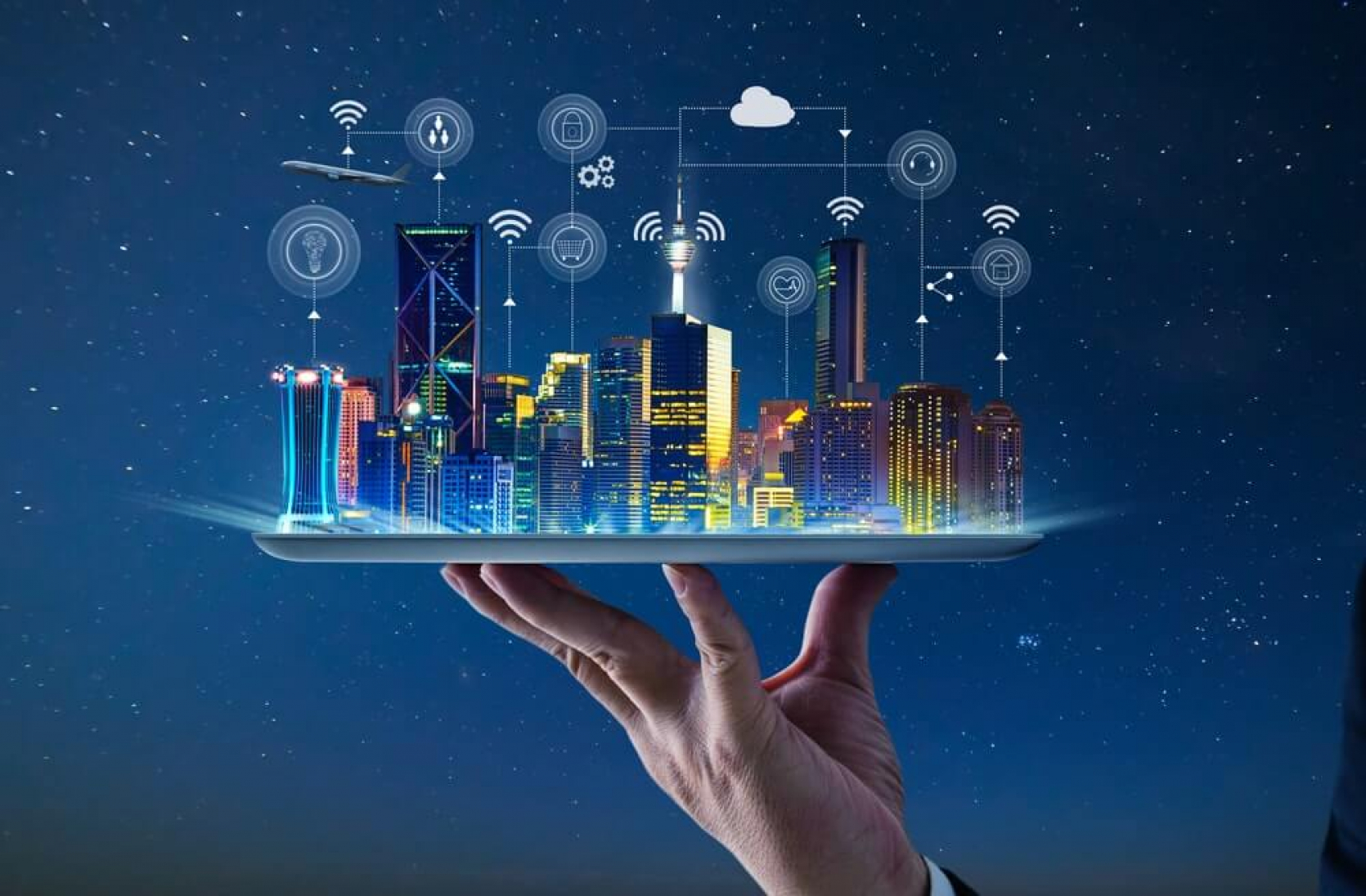
As digitalization touches every aspect of our lives, stakeholders are teaming up to make smart cities a reality. Enabled by technological advances like the Internet of Things (IoT), cloud and edge computing, smart cities support smoother infrastructure, better engagement with citizens and management of public services. Looking ahead, smart cities are set to be complemented by the immersive virtual world of the metaverse.

For decades, business intelligence (BI) and analytics tools have promised a future where data can be easily accessed and transformed into information and insights for making timely, reliable decisions. However, for most, that future has not yet arrived.
AI has progressed to compete with the best of the human brain in many areas, often with stunning accuracy, quality, and speed. But, AI is based on algorithms that responds to models and data, and often misses the big picture and most times can’t analyze the decision with reasoning behind it. It isn’t ready to assume human qualities that emphasize empathy, ethics, and morality.

According to Salesforce, simple tasks like data entry and paperwork once took up so many hours that sales teams only spent one third of their time actually making sales. But times are changing. By adding a little artificial intelligence (AI) and automation into the mix, it's possible to provide some relief.

The strategy is clear: action now is vital for our longer-term climate goals and for ensuring a smooth transition to net-zero. Long asset lifecycles mean that investments in new or existing steel plants from 2030 must be compatible with a net-zero 2050 objective or risk those plants becoming stranded. This decade is critical. Commercial-scale near net-zero plants need to be operating before 2030 to provide proof of concept.
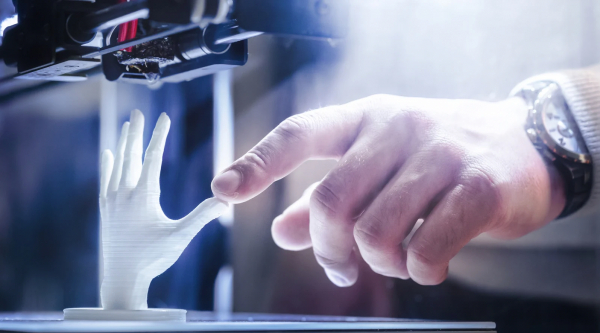
From its conception, 3D printing has had the potential to change the way goods are manufactured. The benefits have strategic implications: flexibility, design freedom, time-to-market, mass customization, distributed manufacturing and much more. Although challenges remain, the results of using 3D printing are demonstrating their value.

People have trouble distinguishing between real people’s faces and AI StyleGAN2 synthesized faces. People also consider AI-generated faces to be more trustworthy.
People cannot distinguish between a face generated by Artificial Intelligence – using StyleGAN2- and a real face say researchers, who are calling for safeguards to prevent “deep fakes”.
AI-synthesized text, audio, image, and video have already been used for so-called “revenge porn”, fraud and propaganda.
Since the onset of the global pandemic, supply chains have faced great disruption, and there’s been no abatement in terms of the trade wars between Europe, North America, and China.