

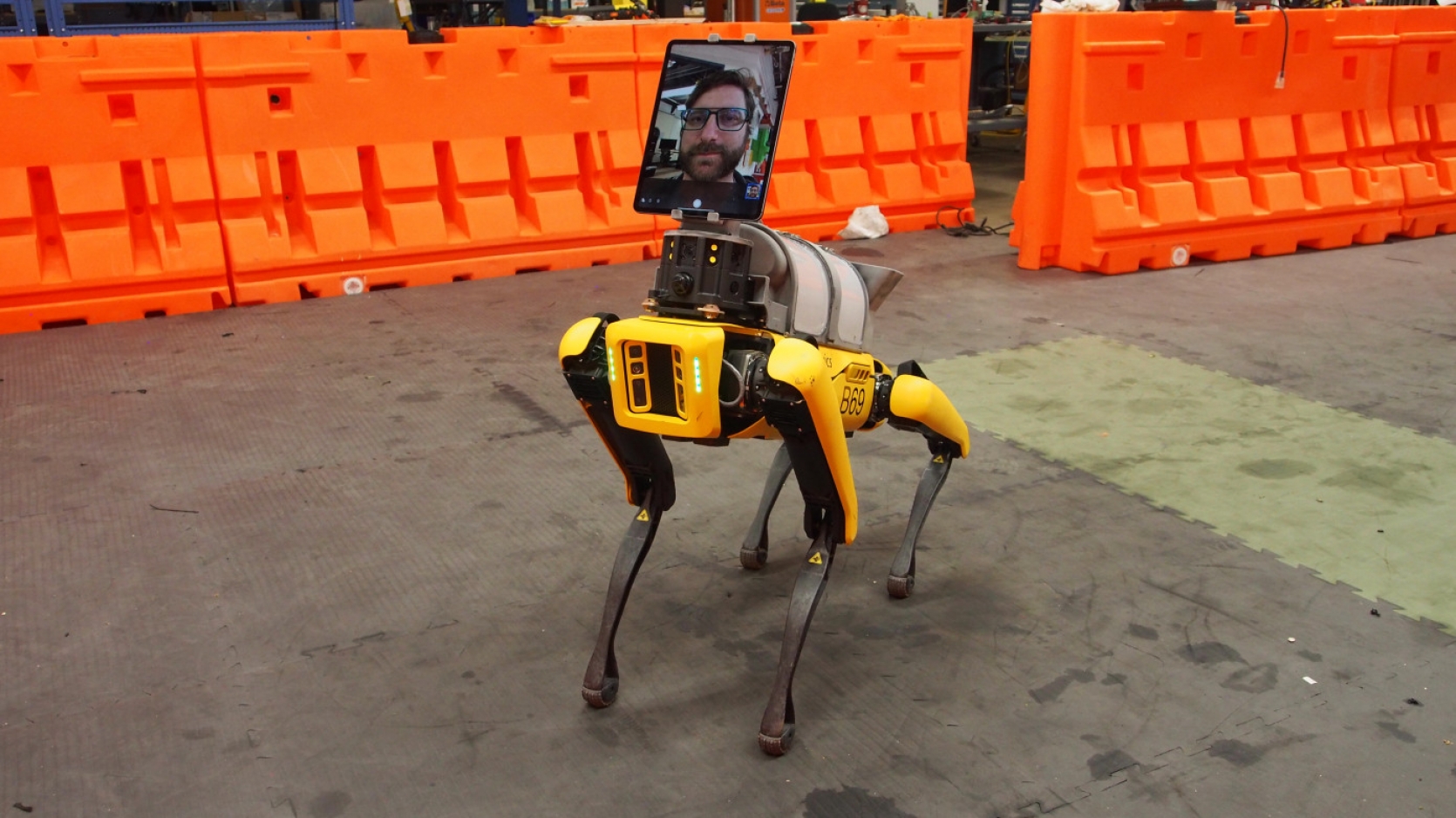
Robot manufacturer Boston Dynamics has found a new job for its robot dog Spot Mini amidst the coronavirus outbreak: Modified Spot robots, outfitted with iPads, are now letting doctors walk into the rooms of coronavirus patients without risking infection.

Without a doubt, uncertainty and unpredictability will continue to increase. Whether you‘re a bio pharma company grappling with temperature excursions, or an automaker relying on critical assembly-line components that only China produces, you’re bound to be affected. The amount of disruption in today’s business climate necessitates the ability to respond in real time, which can only be done if the entire supply chain is visible, and updates are current.

Epidemiologists are using complex models to help policymakers get ahead of the Covid-19 pandemic. But the leap from equations to decisions is a long one.
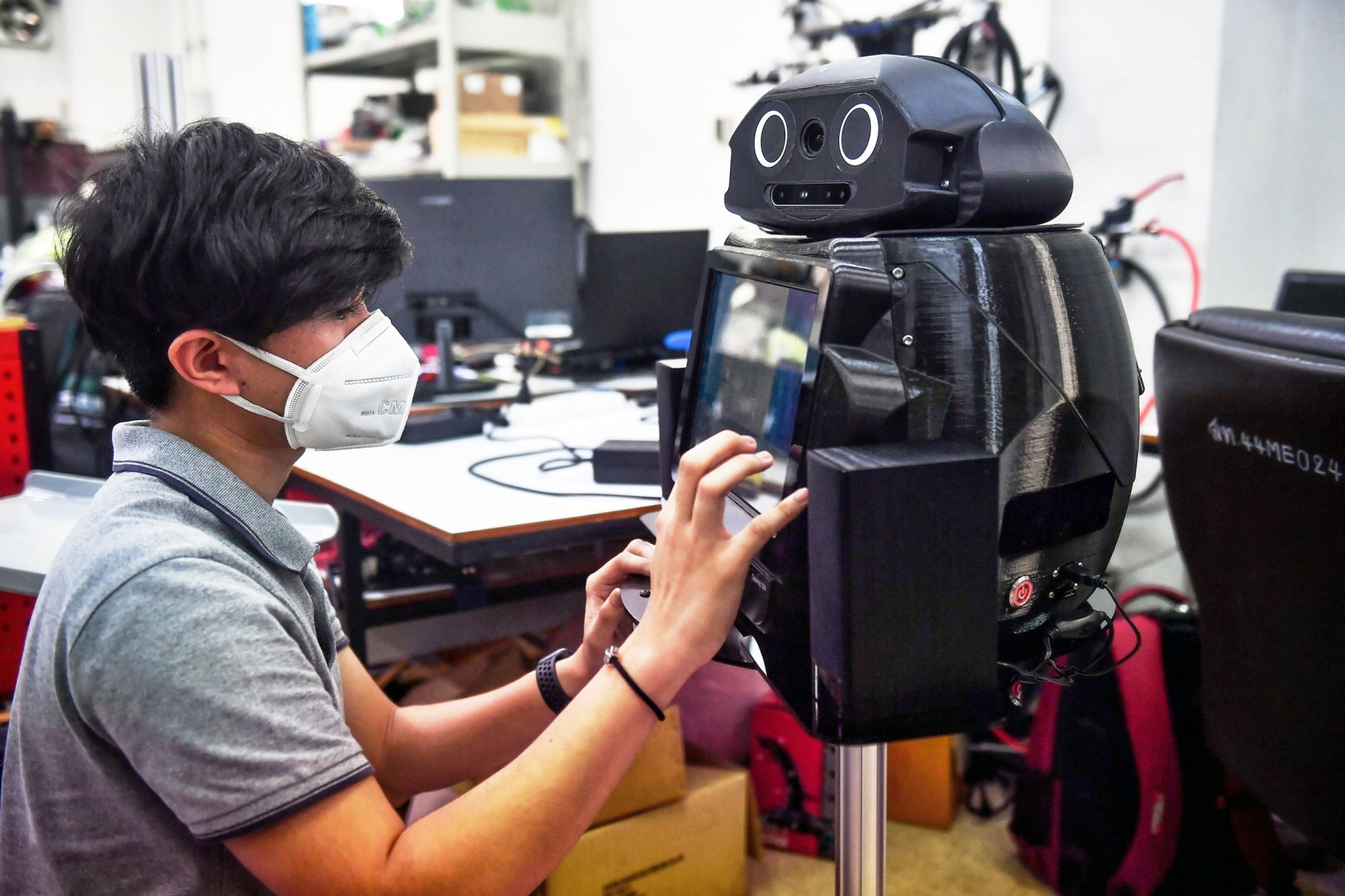
Robots can help doctors distance from patients, and help those in isolation cope. But getting the machines into hospitals is fraught with difficulties.

Becton Dickinson, a medical technology company, submitted a request to the Food and Drug Administration (FDA) for approval of what could be the fastest COVID-19 test on the market so far. The New Jersey-based company says its test could deliver results to hospitals in as few as two hours.

It’s no secret that today’s supply chains have become more complex than ever, with socioeconomic and market dynamics underscoring organizations’ need to respond to an outside-in, demand-driven world. But companies must now factor in a host of new variables, such as rising protectionism and nationalism across the political landscape.
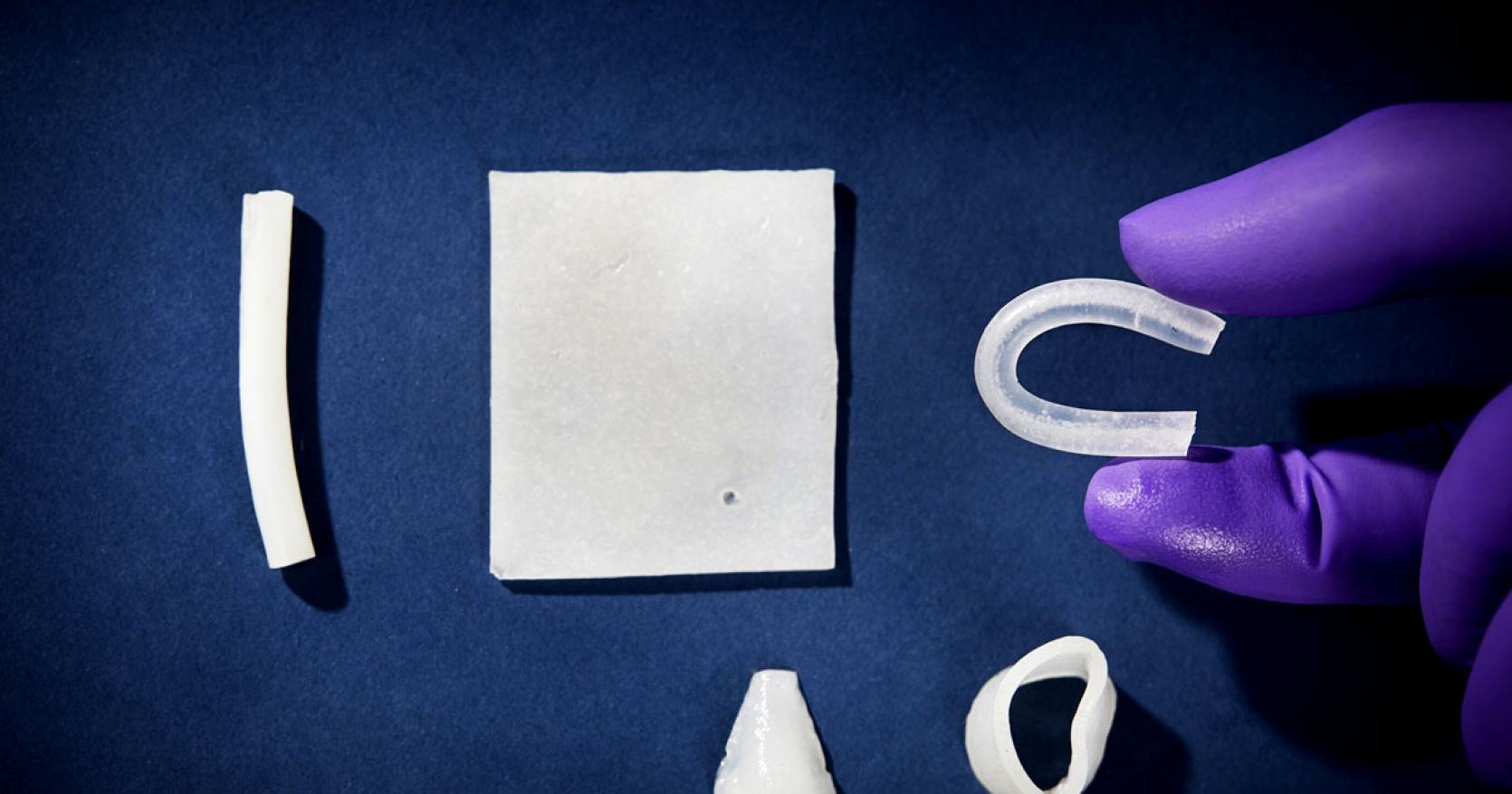
European researchers say they’ve invented a rubbery nanomaterial that seamlessly integrates with the human body — which could pave the way for everything from new reconstructive surgeries to extreme body modification. “We were really surprised that the material turned out to be very soft, flexible and extremely elastic,” said Anand Rajasekharan, one of the researchers behind the new material, in a press release that claimed the material could “replace human tissue.”

One of the scariest parts of the coronavirus is its dormant period: An infected person could be walking around further spreading the disease for up to two weeks before they even show any symptoms that they're sick. But what if there were a way to know whether a person was sick before the fever and coughing start?

DeepMind, Google's AI unit, just published predictions of the protein structures associated with the coronavirus that causes the disease known as COVID-19.

A team of Australian engineers is looking in an unusual place for the future of energy storage: uneaten fruit
INNOVATIVE PARTNERS TOP INSIGHT – NEWSLETTER SUBSCRIPTION
With our latest TOP INSIGHTS we want to let you take part in our work and give you an overview about
latest industry topics, trends and innovations which will shape future business environments.
Keep your finger on the pulse on innovation, digitalization and technology!
Please subscribe and confirm via Email.
You can unsubscribe any time via the link provided in our Newsletter.
The information that you provided above will be processed according to the SWISS IPG PARTNERS GROUP Privacy Policy.